
How Do I Know When It Is Time to Replace My Air Conditioning System?
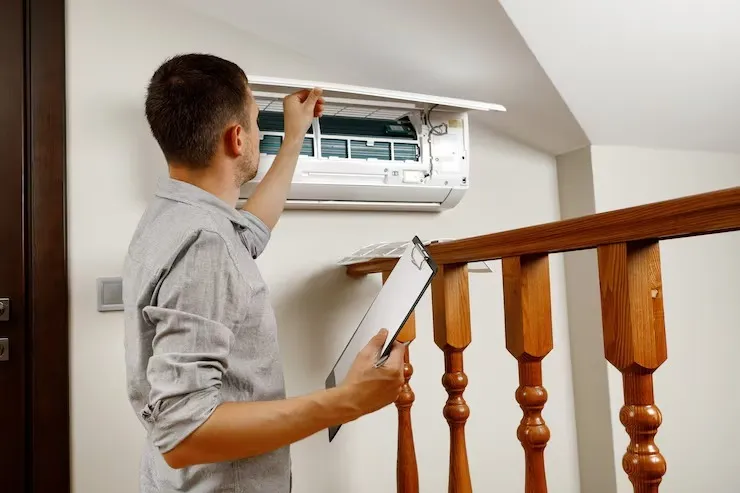
Knowing the difference between a fixable fault and a system that's genuinely done its time saves real money and a lot of summer misery. Here are the signals, the repair-vs-replace maths, and the best time of year to act.
Key Takeaways
Another Victorian summer, another heatwave, and your air conditioner is struggling to keep up. You've already called a technician twice in the past two years, and the bill isn't getting smaller. Sound familiar? If you're wondering how do I know when it is time to replace my air conditioning installationsystem, you're not alone, most homeowners sit with that uncertainty for far too long, patching a system that's quietly costing them more in electricity and repairs than a replacement ever would. Knowing the difference between a fixable fault and a system that's genuinely done its time saves real money and a lot of summer misery.
The good news for Victorian homeowners is that replacement doesn't have to be a significant financial hit. Through the Victorian Energy Upgrades (VEU) scheme, providers like Go Green Australia can replace eligible inefficient systems at little to no upfront cost. But before you get to that conversation, you need to know where your system actually stands.
How to know when it is time to replace your air conditioning system
Before any of the warning signs make sense, you need a reference point: how old is your system? If you don't know, check the compliance label on the outdoor unit, many manufacturers print the installation date there, though placement varies by brand. Without that context, it's hard to interpret anything else.
Split systems vs. ducted units: different lifespans, different thresholds
In Australian conditions, split systems typically last 10 to 15 years, with the practical average sitting around 12 to 13 years. Ducted systems are more robust and generally reach 15 years or more with proper maintenance. That difference matters when you're making a repair-or-replace decision. A 10-year-old split system is already in the `watch closely` zone. A 10-year-old ducted system may still have good years ahead of it, but only if it has been regularly serviced and is running efficiently.
Why age alone isn't the whole picture
A system can look fine at 12 years old and still be costing you significantly more per year in electricity than a modern replacement would. Older refrigerants, lower efficiency ratings, worn compressors, and degraded insulation all compound quietly over time. The calendar age gives you the frame; the warning signs in the next section confirm the verdict.
The clearest signals your AC is telling you it's done
Rather than a long checklist of individual symptoms, it's more useful to group them. Most failing systems show clusters of related problems. Recognising your cluster helps you distinguish between a one-off repair and a system that's entering its final phase.
Your energy bills keep climbing with no clear reason
This is one of the most reliable early signals, and homeowners often miss it because the increase is gradual. Older systems lose efficiency as components wear, and that loss accumulates year on year. Replacing a 10 SEER unit with a modern 16 SEER system can cut cooling energy use by around 38 percent, which translates to hundreds of dollars annually. If your bills have climbed steadily over two or three summers without any change in usage patterns, simple servicing may not recover that lost efficiency, particularly if the decline is due to major component wear or outdated equipment.
The unit runs constantly but never quite cools the house
Poor cooling performance and humidity problems together are a strong indicator of compressor wear, refrigerant loss, or both. A system that runs non-stop but never reaches the temperature you've set isn't just uncomfortable. It's burning energy without delivering results. Uneven cooling across rooms is a related symptom, often caused by duct deterioration in older ducted systems where heat transfer and airflow have degraded over years of use.
Repairs have become a regular expense
If your system has needed two or more significant repairs in the past three years, it has likely entered a cycle of escalating faults. One component fails and gets repaired, then the strain on surrounding components accelerates their wear. The real question at that point isn't `how much is this repair?` but `how much am I spending per year to keep this system going?` That calculation is covered in detail below.
Unusual sounds, smells, or frost on the unit
Banging and grinding sounds point to compressor wear. Hissing from the refrigerant lines indicates a leak. A musty smell suggests mould growth inside the ducts or indoor unit, while a burning smell signals an electrical problem. Ice forming on the evaporator coil is a refrigerant or airflow issue, and a sign the system is working against itself. On an aging unit, none of these are typically cheap one-off repairs.
AC repair cost vs. replacement cost: running the real numbers
Emotional attachment to a familiar system, or a reluctance to face a larger upfront cost, leads many homeowners to keep patching rather than replacing. HVAC engineers commonly apply two rules of thumb that bring logic to the decision, and using them together usually gives you a clear answer.
The 50% rule and the age-cost formula
The 50% rule is straightforward: if a repair quote exceeds 50 percent of the cost of a comparable new system, replacement is almost always the better financial move. The second guideline is the age-cost formula: multiply the system's age in years by the repair cost in dollars, and if that figure exceeds $5,000 to $6,000, replacement is favoured. A 12-year-old system with a $500 repair quote gives you $6,000, which sits right at the threshold where replacement deserves serious consideration, especially if efficiency has already declined. For a practical explanation of this heuristic, see the 5000 rule discussion.
When repair still makes sense
The formula works both ways, and being balanced here matters. A 5-year-old system with a $300 repair quote gives you $1,500, well below any threshold, and repair is the obvious choice. A younger system with a single, isolated fault and a reasonable repair cost is usually worth fixing. The goal is to apply logic rather than emotion, particularly when a technician is standing in your living room with a quote in hand.
Refrigerant leaks and the R-22 phase-out: why this changes the decision
How to spot a refrigerant problem
A refrigerant leak tends to show up as a cluster of related symptoms. Warm air coming from the vents despite the system running is often the first sign, followed by hissing or bubbling sounds near the indoor or outdoor unit. You may also notice ice buildup on the copper lines or evaporator coil and longer-than-normal run times that push electricity bills higher. Increased indoor humidity is another indicator, because a low-refrigerant system dehumidifies far less effectively. Low refrigerant is never a routine maintenance item. It always signals a leak, and recharging without finding and repairing the source just delays the same problem. For a useful checklist of common indicators, see this guide to common symptoms of refrigerant leaks.
Why R-22 systems are increasingly expensive to keep running
Older systems use R-22 refrigerant, which is no longer manufactured. That scarcity has made it significantly more expensive to recharge than modern refrigerants like R-410A or R-32. For a homeowner with a leaking R-22 unit that is already 12 to 15 years old, the economics almost always point to replacement. Paying premium prices for a phased-out refrigerant to extend the life of an inefficient, aging system makes little financial sense when a new high-efficiency unit would reduce running costs immediately and permanently.
When is the best time to replace your AC?
Winter and autumn installations: why timing matters for your wallet
In Victoria, the quietest period for HVAC installers runs from April through August. During these months, wait times are shorter, scheduling is more flexible, and pricing pressure from peak demand simply doesn't exist. Compare that to a mid-summer breakdown: limited availability and potential surge pricing. If your system is already showing two or three of the warning signs above, planning a winter replacement puts you in a much stronger position than waiting for a complete failure in January. Industry guides also explain why off-peak installation windows generally deliver better pricing and availability; see an article on the best time of year to replace your AC for more detail.
What to expect from the replacement process
A standard residential AC replacement involves a site assessment, removal of the old unit, installation and commissioning of the new system, and final testing. Many typical residential replacements are completed in a single day, though complex ductwork or electrical upgrades can extend the timeline. A quality installer will also handle system sizing correctly, which matters more than most homeowners realise: an undersized unit runs constantly without hitting temperature, while an oversized unit short-cycles and wears out faster. Warranties on modern split systems vary by manufacturer and model, check the specific product warranty, as coverage commonly ranges from a few years to a decade on parts and the compressor.
Victorian homeowners: your replacement could cost very little
How the VEU scheme works for AC replacement
The Victorian Energy Upgrades program is a state government initiative that subsidises the cost of installingenergy-efficient air conditioning appliances in eligible Victorian households, including air conditioners. Eligible homeowners can access free or heavily subsidised installations, with the subsidy covering most or all of the upfront cost depending on your circumstances. The core eligibility factors are Victorian residency and an existing inefficient system. If you're replacing an old, low-efficiency unit, there's a strong chance you qualify, visit the official Victorian Energy Upgrades program page to confirm your eligibility criteria. For general guidance on rebates and how to claim them, this guide on how to get an air-conditioning rebate is a helpful starting point.
How Go Green Australia makes the whole process straightforward
Go Green Australia is a Victoria-based installer that specialises in VEU-backed AC replacements, managing the rebate paperwork, site assessment, and installation as part of their service. Rather than researching eligibility requirements yourself, sourcing multiple quotes, and navigating the scheme independently, the entire process is handled from start to finish. For homeowners who have identified their system as overdue for replacement, the next logical step is a free assessment to confirm eligibility and get a clear answer on costs.
How do I know when it is time to replace my air conditioning system? The bottom line
If your system is over 10 years old, showing two or more of the warning signs covered above, and repairs are starting to stack up, replacing it is almost always the right financial and practical decision. Every additional year spent running a failing system costs more in electricity and repair bills than most homeowners account for. The efficiency gap between a 12-year-old unit and a modern high-efficiency system alone can translate to hundreds of dollars per year in wasted running costs.
For Victorian homeowners, the path forward doesn't have to be expensive. The VEU scheme exists specifically to make this kind of upgrade accessible, and working with a provider like Go Green Australia removes the complexity entirely. Check your eligibility, book a free assessment, and stop paying to keep a system running that's already past its prime.