
Home Battery Sizing Guide
How many kWh do you need? A practical Melbourne-focused overview before your free assessment.
Battery sizing vs schedule anchors
Use published schedule figures as anchors: Tesla 13.5 kWh modular ceiling, Sungrow 25.6 kWh, Alpha ESS smile 13.9–79.8 kWh, FoxESS 4.6–41.9 kWh, etc. Your interval data still wins for final kWh target.
 13.5 kWh min unit25.6 kWh ref.
Result
Tesla (PDF)
13.5 kWh unit
Tesla expand
To 216 kWh
Sungrow (PDF)
25.6 kWh
Alpha (PDF)
13.9–79.8 kWh
FoxESS (PDF)
4.6–41.9 kWh
Next step
On-site interval
Start with evening load
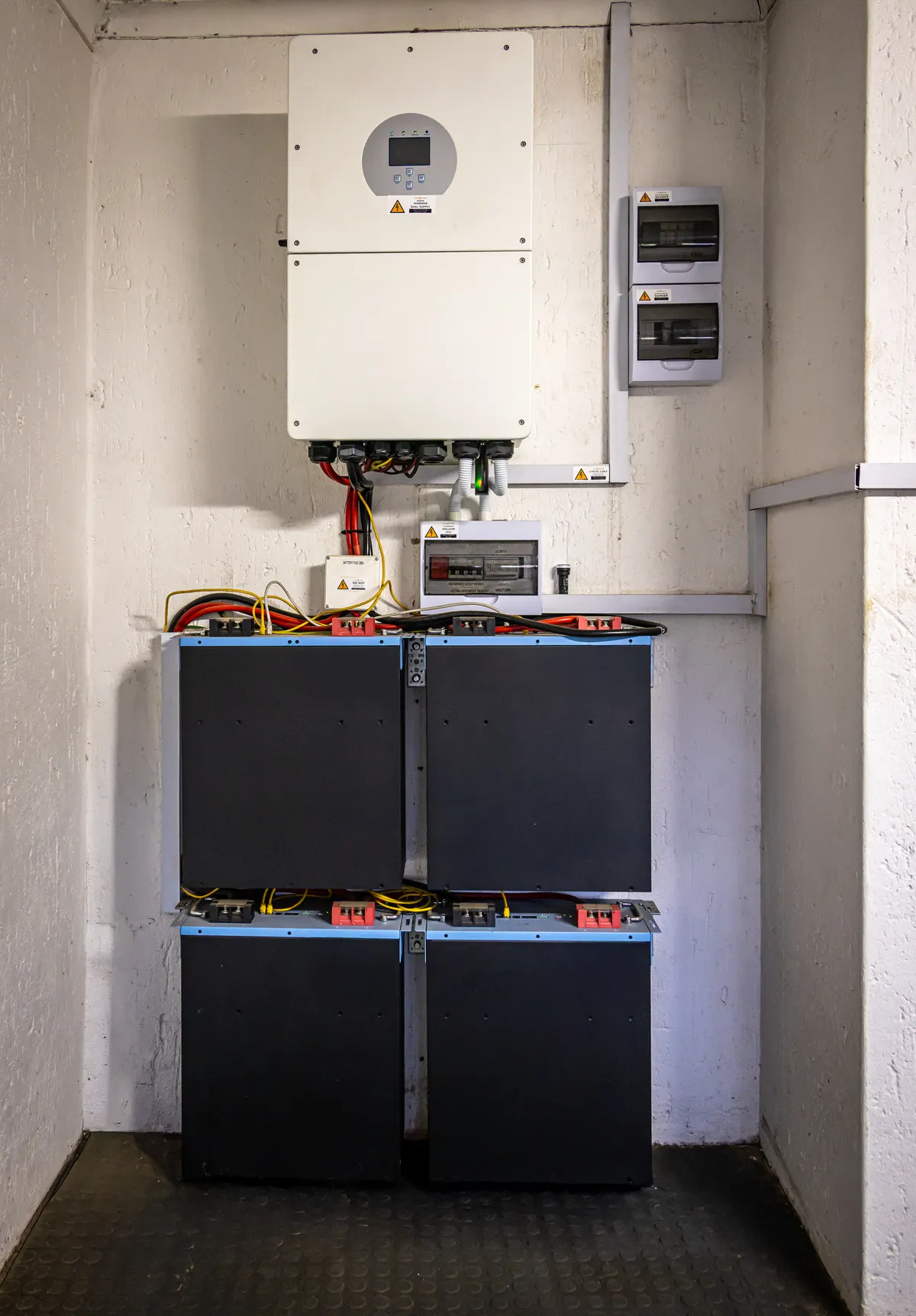
Most batteries earn their keep by covering imports after solar drops off. Review your last few electricity bills for average daily usage (kWh) and when your peaks occur — we validate with interval data where available.
Match export and inverter limits
Your solar size and inverter AC output cap how fast the battery charges from panels. Oversizing storage without charging headroom yields diminishing returns — we model this in your quote.
Typical Melbourne households
- Apartments / small homes: often 5–10 kWh usable if the goal is partial bill reduction.
- 3–4 bedroom detached: commonly 10–15 kWh for strong evening cover.
- Heavy EV or pool loads: may warrant 15 kWh+ or staged expansion with modular systems.
This page is educational only. Final sizing follows a site visit, safety clearances, and rebate eligibility checks.